








Key factors to evaluate when choosing a website designer
Writer :By: Admin
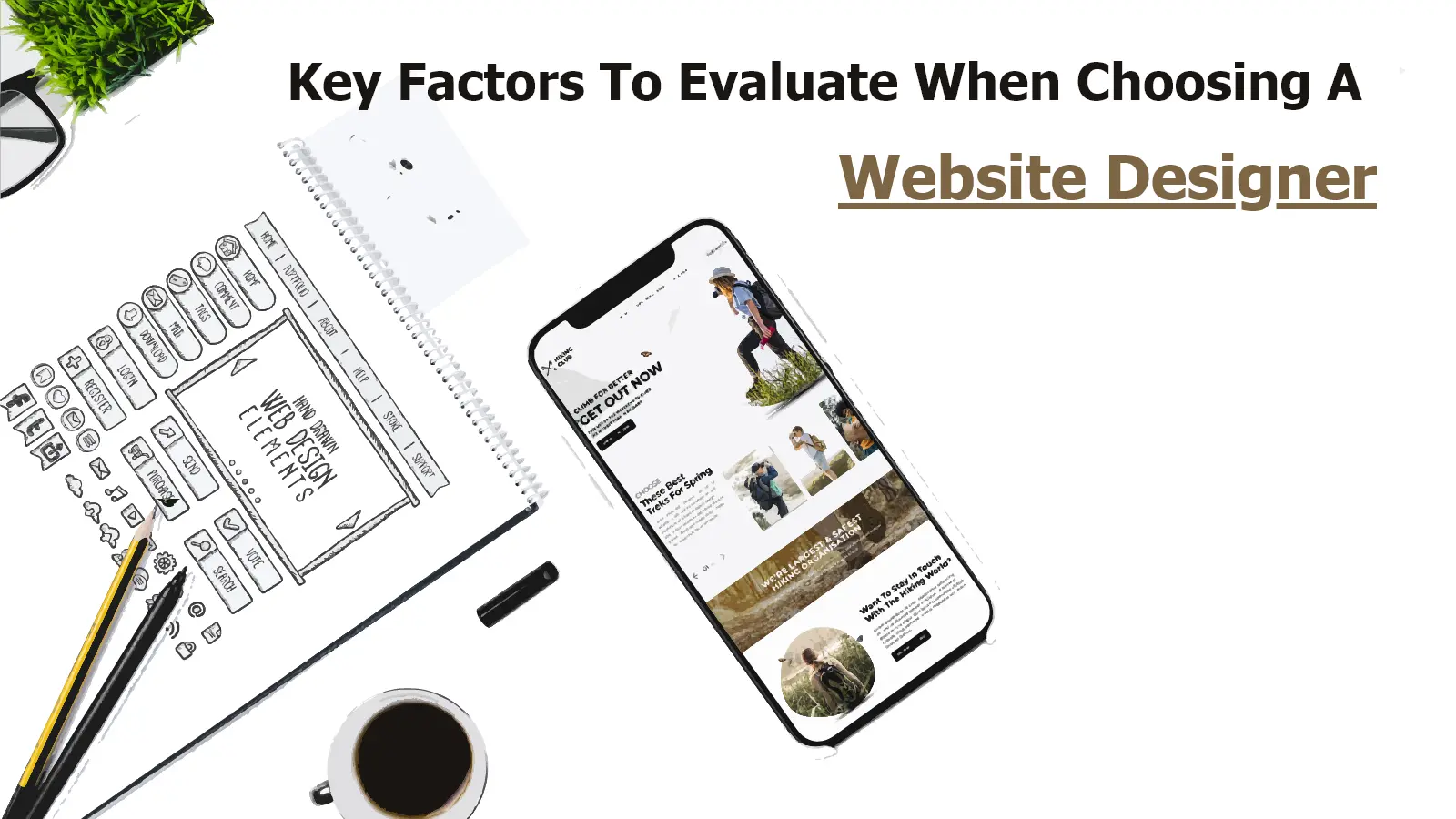
Selecting a website designer is an engineering decision not just a stylistic one. The right partner impacts your site's performance, maintainability and security for years. For a technical buyer, the evaluation goes deeper than surface aesthetics to assess the quality of the architecture and the maturity of the process that will produce it.
## Beyond the portfolio: assessing past work A portfolio is a starting point but it often shows a sanitised final product. To properly assess a designer or agency, you need to look for evidence of their problem-solving ability across a range of projects. Look for variety in their work that demonstrates breadth of experience. Have they built e-commerce platforms, association management systems or community portals? Experience in domains like agri-commerce or education shows an ability to grasp complex business logic.
Ask for detailed case studies, not just a gallery of screenshots. A credible partner will have published walkthroughs of the project's goals, the technical solution and the outcomes. We have published eleven such case studies that detail the work we delivered for clients in sectors from real-estate associations to food delivery.
## Technical architecture and stack proficiency A designer's technical recommendations reveal their depth. Their justification for a particular technology stack should be rooted in your project's specific needs, not just their own familiarity. Every technology choice is a trade-off.
For example, a headless CMS offers front-end flexibility and performance but requires more development effort to integrate. A traditional monolithic CMS might be faster to stand up but creates dependencies between the content and presentation layers. Ask a potential partner where they would recommend one over the other and why.
This applies across the stack. Discuss the pros and cons of server-side frameworks like PHP or ASP.NET versus a client-side architecture using Angular or React. For mobile, explore whether a cross-platform framework like Flutter is sufficient or if the performance and platform-specific UI of native Android and iOS development is necessary. A good partner explains the trade-offs not just the benefits.
## Process, communication and collaboration 'Good communication' is a vague platitude. What you need is a structured and transparent process. How does the designer or agency move from discovery to deployment? Ask to see their project management framework. Do they run agile sprints? How often will you have review meetings and what is the expected format?
Collaboration becomes more complex with distributed teams. Ask how they manage work across different time zones. With offices in Ahmedabad, India and Ontario, Canada we have built specific protocols for asynchronous updates and clear handovers to maintain project velocity.
Also inquire about the composition of the team. How do they integrate junior developers? A mature practice will have a structured approach to mentorship. We run a formal internship programme where interns work on live client projects under senior guidance, ensuring quality control and team development.
## The non-negotiables: UX, SEO and performance A visually pleasing design that fails on usability or performance is a failure. These are not optional extras but core components of the design process.
### UX and UI Design A designer should be able to articulate their UX process. This should involve more than just drawing screens. Look for evidence of user research, persona development, wireframing and interactive prototyping. Good UI/UX design is a distinct discipline that ensures the final product is intuitive for your target users.
### Technical SEO A designer's responsibility for SEO goes beyond meta tags. They should be building for technical SEO from the ground up. This includes creating a logical heading structure, ensuring the site is crawlable, implementing schema markup for rich snippets and optimising for Google's Core Web Vitals.
### Performance Design choices directly impact load times. A large hero video might look impressive on a high-speed office connection but render the site unusable on a 3G mobile network. Ask potential partners how they design for performance, including their strategies for image optimisation, asset loading and caching.
## Finding the right engagement model Your budget and project scope will influence the best way to structure the relationship. Common models each have their own costs and benefits.
A fixed-price contract provides cost certainty which is useful for well-defined projects. Its weakness is rigidity; scope changes often require contract renegotiation. A time and materials model offers flexibility to adapt as the project evolves but requires you to manage the budget more actively.
For longer-term needs or to augment your in-house team, hiring dedicated remote developers can be an effective model. It provides direct control over resources and deep integration with your existing team. We place developers across ten specialisms in this model.
A website designer isn't just creating a site; they're crafting the digital face of your business. Choosing the right one means finding someone who understands your vision and can translate it into a functional and engaging online presence.

## Conclusion Choosing a website designer requires you to look past the portfolio and evaluate their technical depth, process maturity and understanding of your business goals. By asking specific questions about architecture, collaboration tools and performance trade-offs, you can identify a partner who can build a durable, high-performing digital asset. The right partner asks as many questions as they answer, focusing on building a solution that fits your specific context.