










OpenAI's AI image generator: a retrospective
Writer :By: Admin
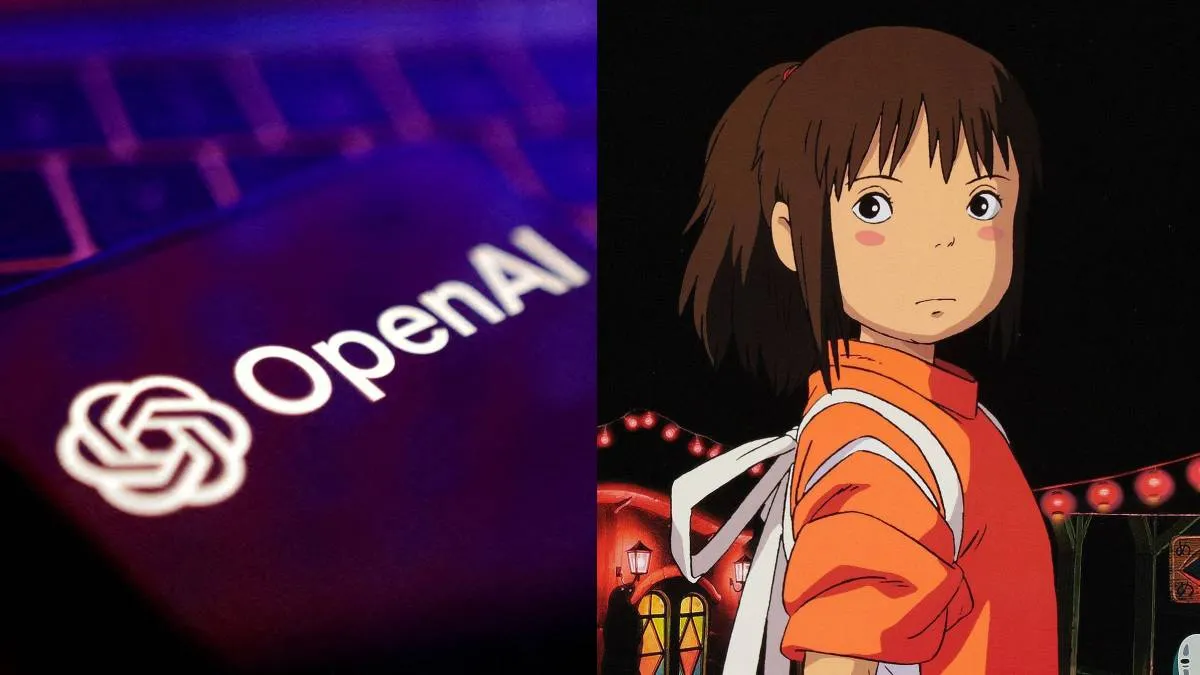
When we first published our analysis of OpenAI's image generation models, the conversation was about the novelty of the technology. The focus was on the immediate outputs: realistic images from text prompts, varied artistic styles and the potential for creative exploration. Years later, these capabilities are no longer novel. They are commoditised API endpoints.
The discussion has shifted from what these tools can do in isolation to how you can integrate them into a production system. The real work is not generating a single image but building a reliable, scalable application around the generator. For a technical buyer, the original promises of speed and low cost need to be re-evaluated against the engineering realities of implementation.
From potential to production
Then: faster and more efficient workflow
The promise was a reduction in the time needed to create visuals. This holds true for one-off tasks. For a business process, however, you need more than a prompt box. You need a user interface for non-technical users, asset management to store and categorise outputs, and moderation queues to ensure brand safety. Building this workflow is a software development project.
Then: a cost-effective solution
The claim was that AI would be cheaper than photographers or designers. While API call costs can be low, the total cost of ownership is not. At scale, API costs become a significant operational expense. More importantly, the cost of the engineering team to build and maintain the integration, the custom UI, and the necessary backend systems must be factored in. Relying on a third-party API also introduces vendor lock-in and pricing volatility.
Then: instant customisation
Early models offered customisation through detailed prompts. But production use requires a level of control that prompting alone cannot provide. You need consistent outputs: the same character in different poses, a product shown in your brand's specific colour palette, or images that adhere to a strict compositional template. Achieving this requires more than just a clever prompt; it often involves building post-processing pipelines or complex prompt-chaining systems.
Our original article highlighted benefits that seemed transformative. Looking back, we see that each benefit came with a corresponding engineering challenge that was not obvious at the time.
The engineering work in building with AI
Putting a generative model into a real application exposes its limitations. The path from a compelling demo to a working product involves solving specific technical problems. We build the custom software that addresses these challenges.
Key integration challenges
API dependency vs control
Using a public API is fast to start but cedes control over performance, features and cost to a third party. We help you design systems that are resilient to API changes and architect for a future where you might switch providers or bring models in-house.
Consistency and brand alignment
Models are non-deterministic. Getting them to produce outputs that are consistent with your brand guidelines is a common challenge. We build application layers that enforce constraints, manage brand assets and post-process images to ensure they meet your requirements, whether for an agri-commerce platform like Univia or a food delivery service like Foodalios.
The user interface layer
An API is not a product. Your team needs a user interface to interact with the model. We design and build these custom web and mobile applications, providing everything from simple prompt forms to complex editing tools for specific use cases, such as those needed by a community platform like Indians in Germany.
System integration
An image generator is rarely a standalone tool. It needs to fit into your existing systems: your CRM, your e-commerce platform or your digital asset manager. We develop the backend services and APIs that connect the model to your operational software, drawing on our experience building management systems for organisations like the Bar Council of Gujarat and NAR India.
A public API is a starting point, not a complete solution. The real work is in building the application that makes it reliable, scalable and useful for your specific business case.

Building your AI-powered application
Excelsior Technologies is a software development company. We deliver the custom AI systems, web applications and mobile apps that turn a model's potential into a business tool. With development centres in Ahmedabad, India and Ontario, Canada, we build the software that solves these integration challenges.
Our work involves creating the entire application stack, from the UI/UX design that makes the system usable to the cloud and DevOps infrastructure that makes it scalable. We have published eleven case studies detailing our work across different sectors. Whether you need to augment an e-commerce platform or develop a new game, the task is a software engineering one. The AI model is just one part of the system.